Is your young rugby player struggling with the mental side of the game?
We have had the great fortune to positively support many rugby teams and players over the last decade including highly motivated young players in or on the fringes of academy settings, right through to internationals playing in the Premiership and the Top 14 in France.
At the heart of what we do is supporting young rugby players and the parents and coaches who are alongside them. Whether your child is a grassroots player finding their feet in the game, an ambitious youngster pushing for county, regional or university recognition, or a talented young player navigating the pressures of an academy environment. The mental side of the game matters at every level. We sincerely hope that you find our rugby-specific content helpful, and we are always here if you would like more personalised support.
Youth Rugby Psychology | Mental Skills for Young Players
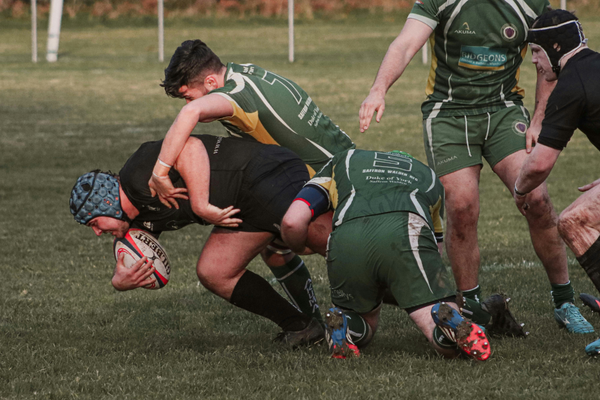
Understand what is really going on for your young rugby player and learn how to help them build genuine self-belief, mentally prepare before matches, and bounce back stronger from difficult performances

Practical psychological tools you can bring into your rugby sessions helping young players manage pressure, develop mental toughness, and build the confidence to back themselves when it matters most.
Why mental skills matter in youth or junior rugby
Rugby is one of the most mentally demanding team sports a young person can play. The physical courage it requires to carry the ball, to make a tackle and to compete at the breakdown demands not just physical preparation but genuine psychological readiness. A young player who goes into a match with self-doubt, anxiety or unresolved fear will not be able to access their full physical ability no matter how well they have trained.
The team environment in rugby brings its own specific mental challenges too. Young players must find and assert their identity within a squad, manage the pressure of selection and deselection. They must also deal with the expectations of coaches and parents, and maintain confidence through the inevitable runs of poor form that every young rugby player experiences. For those on the fringes of academies, the stakes feel particularly high and the mental demands are amplified accordingly.
The most common things we hear from rugby parents are that their child loses belief before big matches, overthinks decisions on the pitch, or crumbles when things go against them in a game. Every one of these challenges is a mental skills issue, and every one of them is very addressable with the right support. Where we work with young rugby players aged 7 to 21+ and the parents and coaches alongside them to build the psychological foundation that allows talent to show up consistently under pressure.
How to Instil Self-Belief and Self-Confidence in a Young Rugby Player
Practical tips for parents to help young rugby players build self-belief and confidence, including goal-setting, highlight videos, and a ‘Confidence CV.
Common challenges we deal with
” Our son was on the fringes of an academy and the pressure was affecting everything. From his training, his confidence, his enjoyment of the game. After working on the mental side he is now playing his best rugby consistently and more importantly, enjoying it again.”
— Parent of an 11-year-old rugby player, Edinburgh, Scotland
Helping Young Rugby Players Mentally Prepare Before Matches
Episode #153 of the Demystifying Mental Toughness podcast features top takeaways from rugby guests, drawing on shorts clips from previous episodes with elite rugby figures (players, coaches, performance coaches and sports psychologists)
Articles for parents & youth rugbycoaches
Podcast Episode To Listen To
How to Develop Mentally Strong Rugby Players
Questions Parents Ask Us
My child is talented but loses all self-belief before big matches — what is going on?
Pre-match confidence collapse is one of the most common issues we work on with young rugby players, and it is almost always driven by a combination of perfectionism, fear of failure and unhelpful thinking patterns in the build-up to a game. The good news is that self-belief is not a fixed trait. It is a skill that is very buildable with the right support, simple pre-match routines and key mental habits.
How do I help my young rugby player mentally prepare before a match?
Pre-match mental preparation is something we have written about specifically for youth and junior rugby players. It covers what the hours before a match should look and feel like for a young player and critically, what the role of parents and coaches is during that window. Getting this right makes an enormous difference to how a young rugby player takes the field.
My child overthinks decisions on the pitch and it is making them hesitant — what can we do?
Overthinking on the pitch is extremely common in intelligent young rugby players. When a young player starts consciously processing decisions that should be instinctive; whether to carry, to pass, to make a tackle it both slows their reactions and increases their anxiety. We help rugby young players develop their focus and trust in their own skills that allows them to play freely and decisively under pressure.
My son is in an academy and the pressure is affecting his performances and wellbeing — what should I do?
Academy pressure is one of the most acute forms of sporting stress a young rugby player can experience. The combination of high expectations, constant evaluation, and the very real possibility of being released creates a psychological environment that many young players struggle to manage. We have significant experience working with young players in exactly this situation. Managing stress and helping them perform to their best when it matters most, while protecting their wellbeing and their love of the game.
My child gets extremely angry and frustrated during matches — how do I help them manage this?
Emotional regulation is a core mental skill in rugby, where the physical intensity of the game can make frustration build very quickly. Unmanaged anger disrupts decision-making, damages team relationships and can lead to disciplinary issues. We help young rugby players understand what drives their frustration, and develop practical in-game strategies to channel their competitive intensity positively rather than letting it derail their performance.
My young rugby player is scared of getting hurt — is this something you can help with?
Fear of injury or physical contact is more common in young rugby players than coaches and parents often realise. It is also rarely discussed openly because of the sport’s culture around toughness. Left unaddressed, it significantly limits a young player’s commitment to contact situations and can quietly damage their enjoyment of the game. We work sensitively and effectively with young rugby players navigating this challenge.
How do I talk to my child after a bad game or a heavy defeat without making things worse?
The conversations that happen in the hours after a difficult match are some of the most important a rugby parent has. Handled well, they can help a young player process and move on quickly; handled poorly, they can deepen self-doubt and anxiety. We help families approach these moments better considering what to say, what not to say, and when to say nothing at all.
At what age should a young rugby player start working on their mental game?
We work with young rugby players from age 7 upwards. Rugby’s specific mental demands; the physical courage it requires, the emotional intensity of team dynamics and the pressure of selection can mean that building good mental habits early is especially valuable in this sport. The young rugby player who learns to manage self-doubt, handle mistakes and compete with confidence at 10 or 12 is building a foundation that serves them at every subsequent level of the game and in their lives.